
What we can do and what we should avoid
Michael Sandel’s Perspective
Today, technology can do things that used to sound like science fiction: we can edit DNA, prevent genetic diseases, and even imagine “improving” certain human traits.
But with these possibilities comes an important question:
“Is it right to use technology to make human beings “perfect”?
The philosopher Michael Sandel helps us reflect on this issue.
For Sandel, using technology to cure illnesses is something very positive. Eliminating diseases, helping children be born healthier, preventing genetic problems : all of this is beneficial and improves people’s lives. The problem begins when technology stops being about healing and starts being about designing. In other words, when we use genetic engineering not for health, but for perfection: making individuals stronger, smarter, more attractive, or more talented.
According to Sandel, if we start choosing people’s traits the way we design characters in a game, we risk losing three essential elements of our humanity:
- Surprise: one of the most beautiful things about human beings is that they are unpredictable, unique, and impossible to program.
- Acceptance: if everyone aims for perfection, anyone who is “normal” may start to feel inadequate or less worthy.
- Solidarity: knowing that everyone has limits helps us support and understand each other; but in a world of artificially “enhanced” individuals, competition would become even more unfair.
This doesn’t mean we should reject science or stop progress.
Sandel simply invites us to ask a crucial question: does this technology truly make people’s lives better, or does it risk creating new inequalities?
This question matters not only for genetic engineering, but also for artificial intelligence, social media, robotics, and many other innovations we encounter every day.
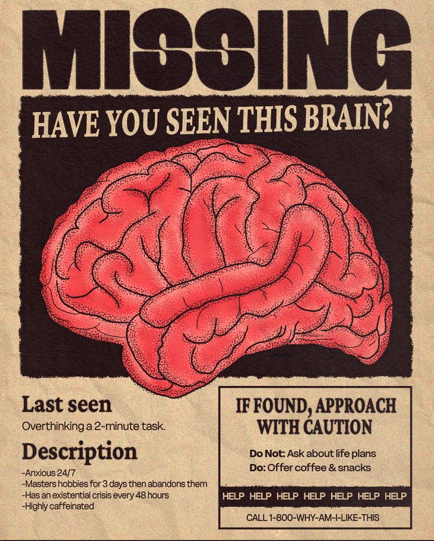
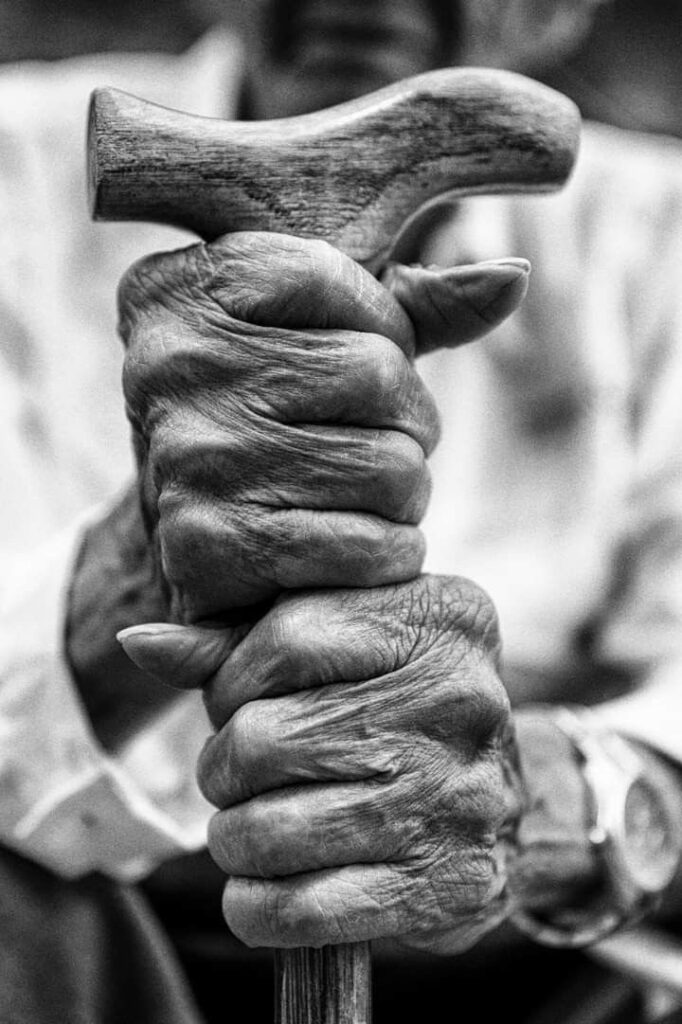
For Sandel, real human strength doesn’t come from perfection, but from IMPERFECTION.
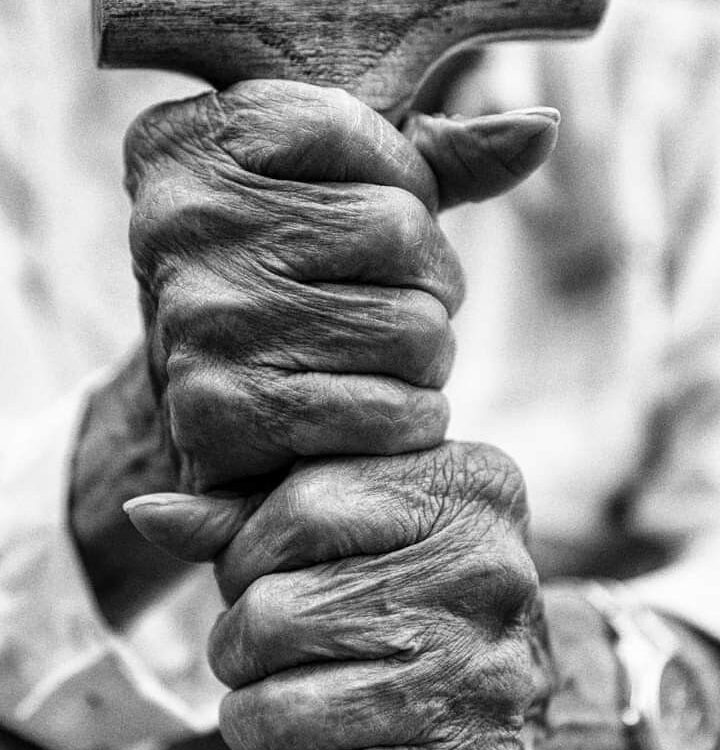
We are made of limits, surprises, unusual talents, and unexpected passions.
What we cannot control is often what makes us more human and more authentic.
And remembering this might be more important today than ever.