MAAT: Amanda Levete and the Architecture of Continuity
MAAT: Amanda Levete and the Architecture of Continuity
Amanda Levete is an architect attentive to nuance, scale and duration. Her work is shaped less by formal expression than by an interest in how buildings are experienced — how they meet the ground, receive light, and accompany movement. Throughout her career, from her early projects to her practice at AL_A, Levete has developed an architecture that privileges continuity over contrast and precision over excess.
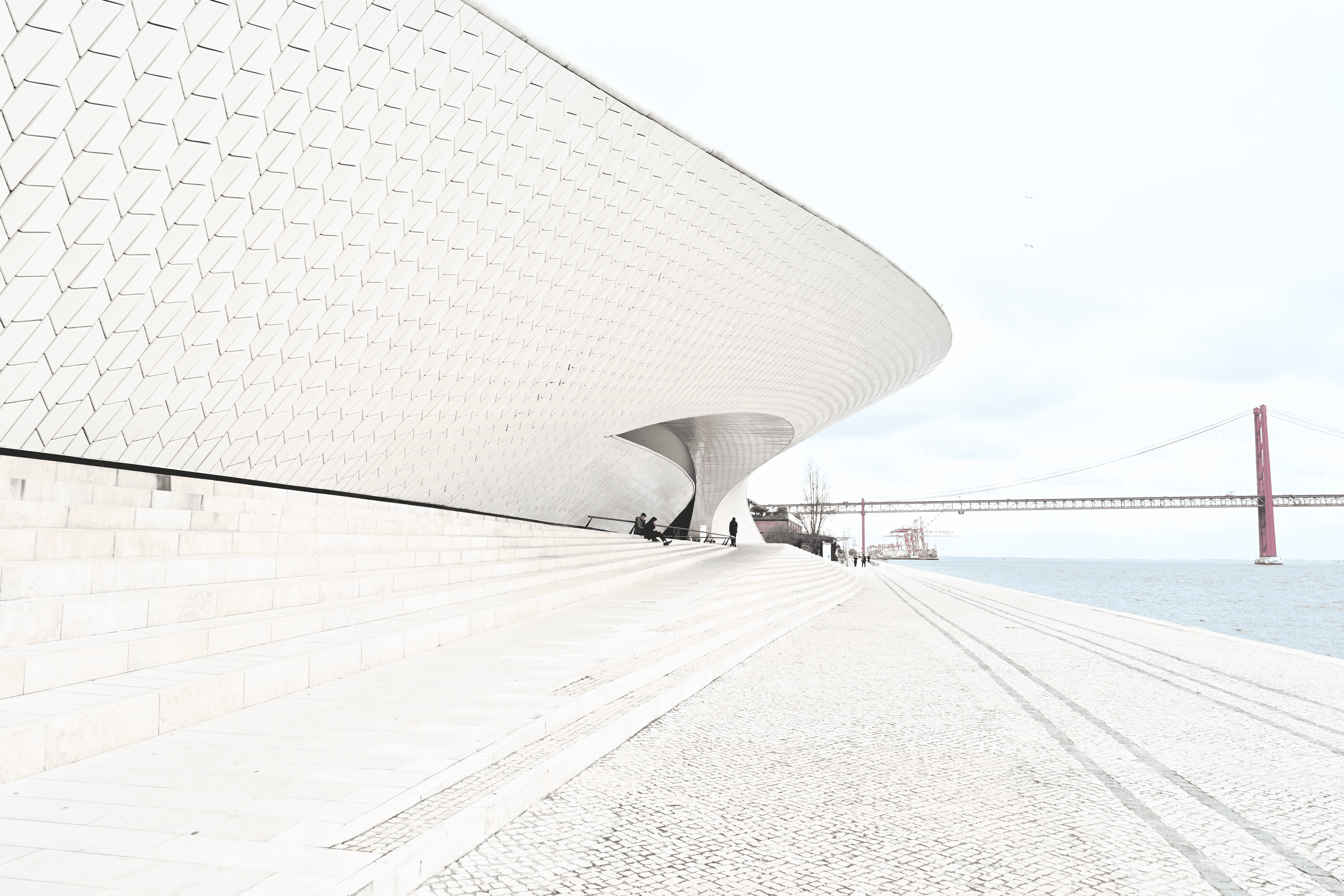
The MAAT Gallery in Lisbon is a clear expression of this approach. Situated along the Tagus River, the building unfolds horizontally, shaped by its relationship to the landscape, the water and the changing light. Rather than presenting itself as a singular object, it extends the site, allowing architecture, city and river to exist in a shared rhythm.
Designed by Levete and her studio AL_A, the MAAT Gallery forms a soft, continuous presence along the waterfront, positioned between the river and the historic Central Tejo power station. The building does not impose a new landmark, but creates a space of passage, transition and pause.
A Horizontal Statement
The building’s form is stretched, flattened, almost anti-heroic. No vertical gesture. No tower. No façade screaming for attention.
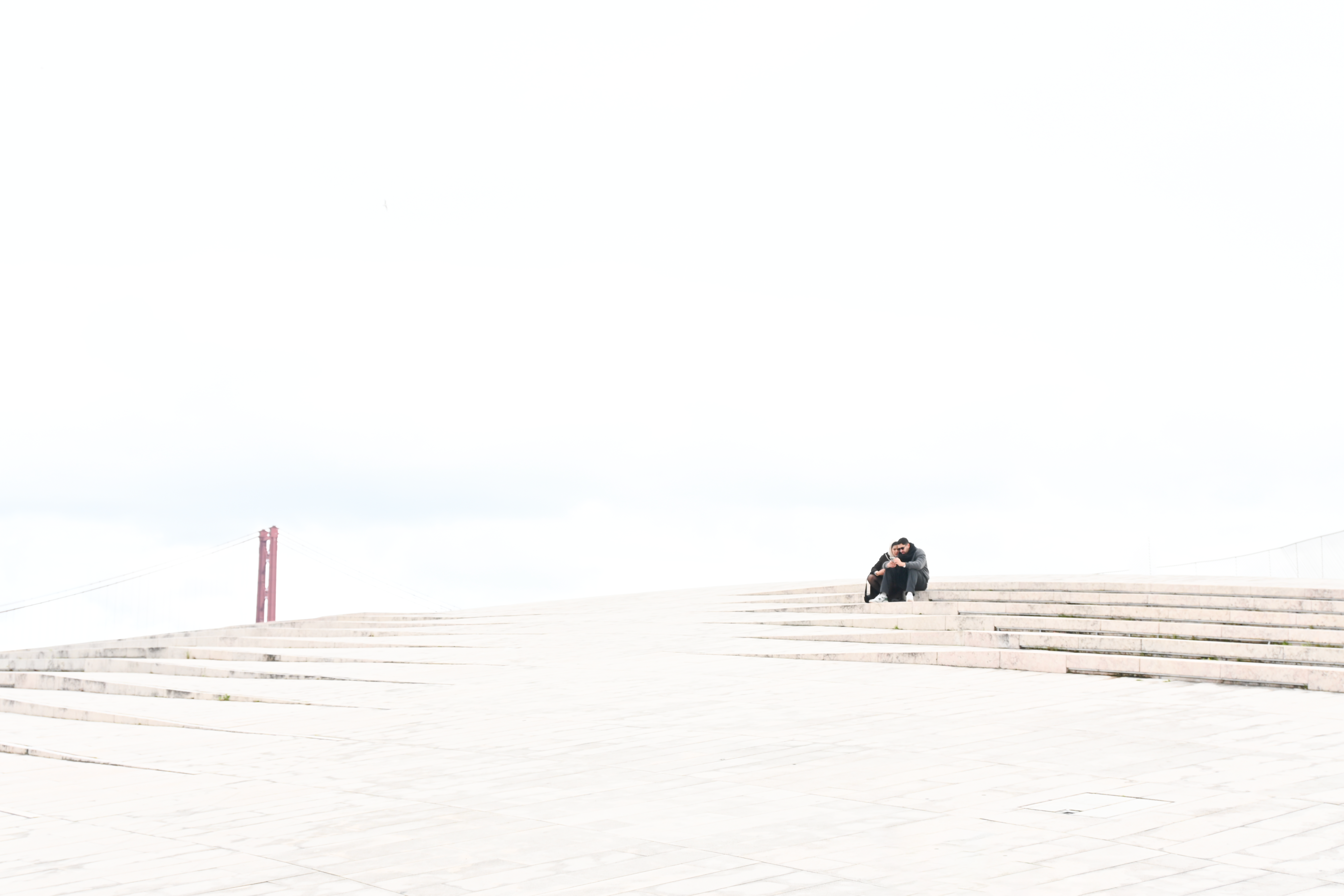
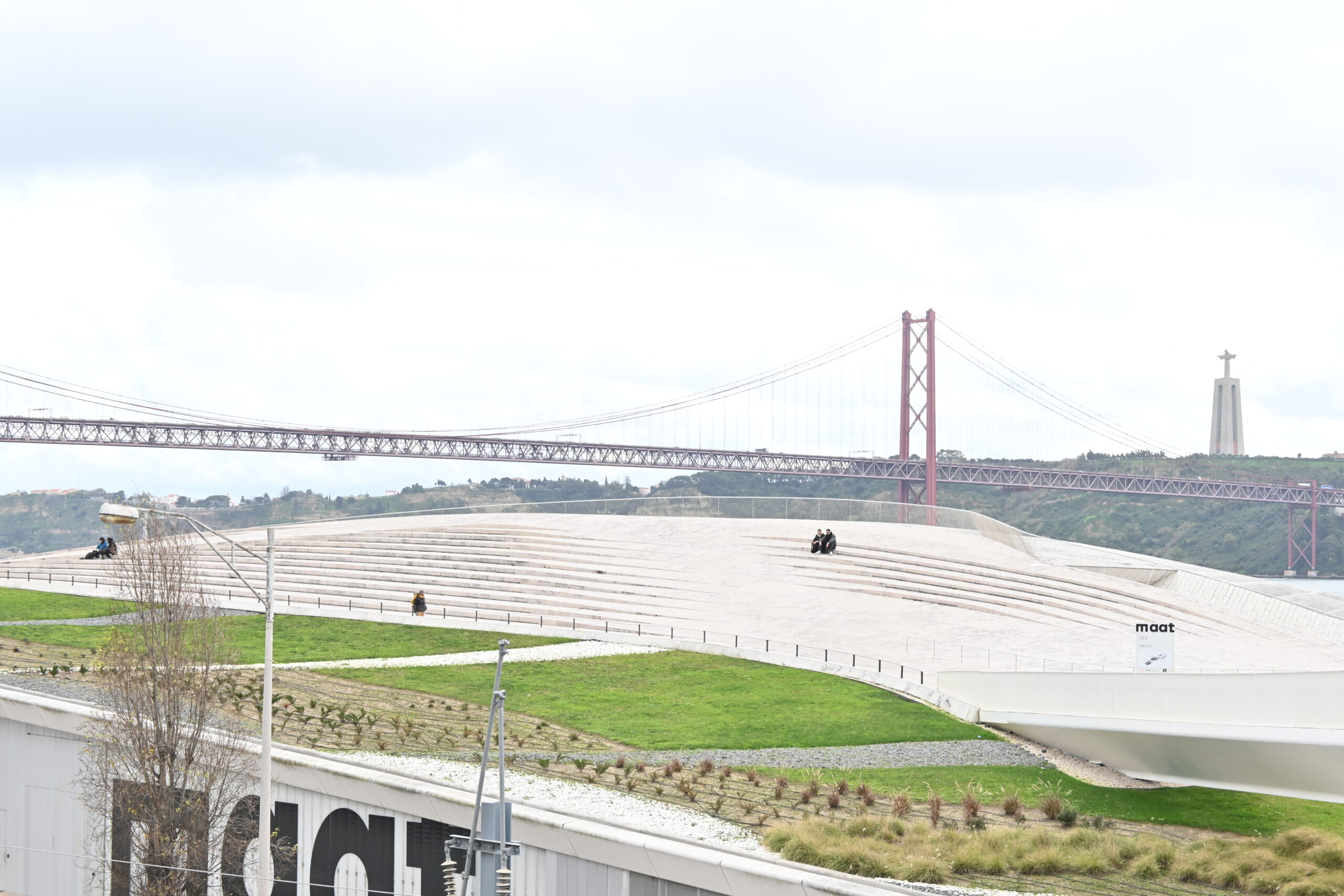
Its power lies in movement. The roof curves upward just enough to become a public plaza — a place to pause, lean, look at the river. Visitors don’t need a ticket to engage with MAAT. The building gives itself to the city before asking anything in return.
This horizontal architecture is political. It breaks with the museum as a closed container and redefines it as an urban surface, a shared platform. Inside and outside blur. Culture leaks into everyday life.
Skin, Light, Reflection
MAAT’s surface is wrapped in thousands of ceramic tiles, subtly three-dimensional, crackle-glazed, reflective. They respond to sunlight, clouds, water, and time. The building never looks the same twice.
This isn’t decoration — it’s behavior. The façade performs.
By reinterpreting Portugal’s ceramic tradition through contemporary fabrication, Levete avoids nostalgia. The tiles don’t quote the past; they translate it. Light becomes material. Reflection becomes rhythm.
Inside, the galleries are shaped by softness and control. Curves guide the body. Light enters indirectly, filtered and bounced, never brutal. The Oval Gallery — the building’s core — feels less like a room and more like a calibrated void, ready to be activated by scale, sound, and movement.
Architecture That Refuses Spectacle
Amanda Levete’s work has always resisted easy spectacle. From her earlier projects at Future Systems to her practice at AL_A, her architecture favors precision over provocation, experience over image.
MAAT embodies this approach. It doesn’t demand attention through excess. It earns it through restraint. The building is confident enough to disappear when needed — to let the river, the sky, and the people take the lead.
This is architecture as choreography, not sculpture.
MAAT as Infrastructure, Not Icon
More than a museum, MAAT is an urban connector. It stitches together the city, the river, and Lisbon’s industrial memory. It reclaims the waterfront not with fences or monuments, but with continuity and access.
Levete’s MAAT suggests a different future for cultural buildings: less about branding, more about belonging. Less vertical power, more horizontal generosity.
A museum that doesn’t dominate its context — but moves with it.